Buy gwepe.com ?
We are moving the project
gwepe.com .
Are you interested in purchasing the domain
gwepe.com ?
domain@kv-gmbh.de · 0541-91531010
Buy gwepe.com ?
Why don't moons have moons?
Moons do not have moons because the gravitational pull of their parent planet is much stronger than the gravitational pull of the moon itself. Any smaller object that comes close enough to a moon would be more strongly attracted to the planet, causing it to either collide with the moon or be pulled into orbit around the planet instead. Additionally, the presence of a moon's own gravity would not be strong enough to prevent a potential moon from being captured by the planet. **
How long is the period between two consecutive new moons or full moons?
The period between two consecutive new moons or full moons, known as the synodic month, is approximately 29.5 days. This is the time it takes for the moon to complete its cycle of phases, from new moon to full moon and back to new moon. However, the actual length of the synodic month can vary slightly due to the moon's elliptical orbit and gravitational interactions with the Earth and the sun. **
Similar search terms for Moons
Top-Angebote
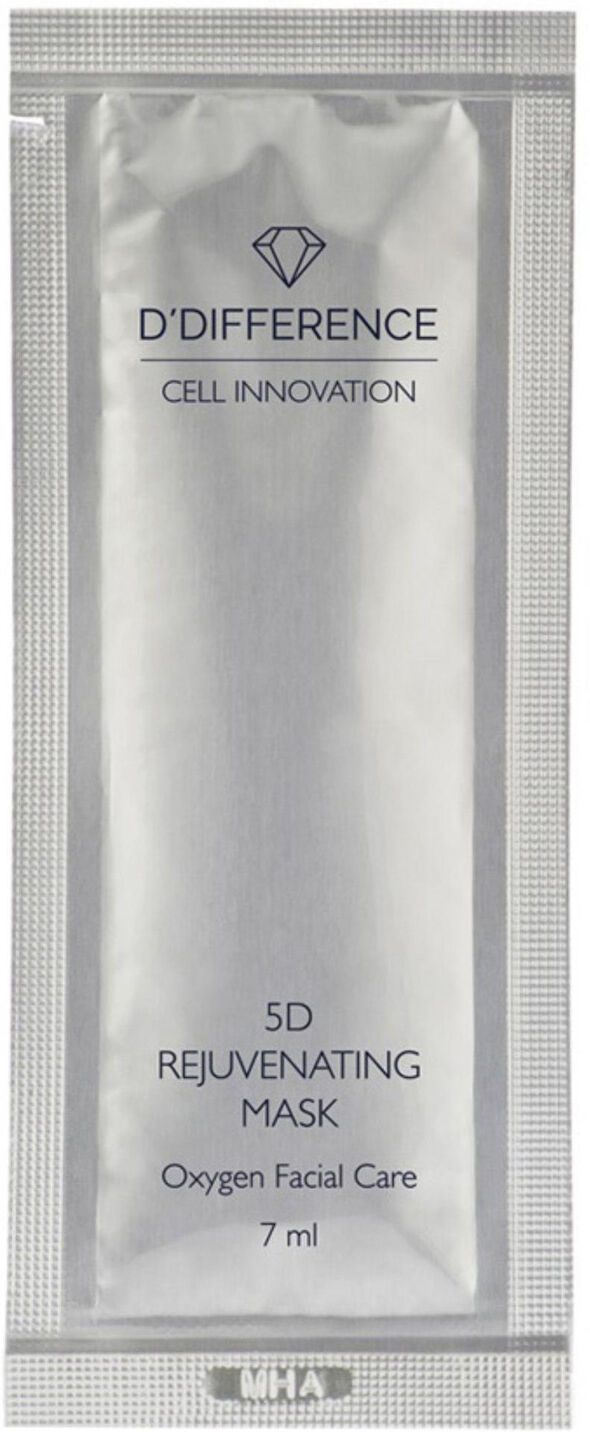
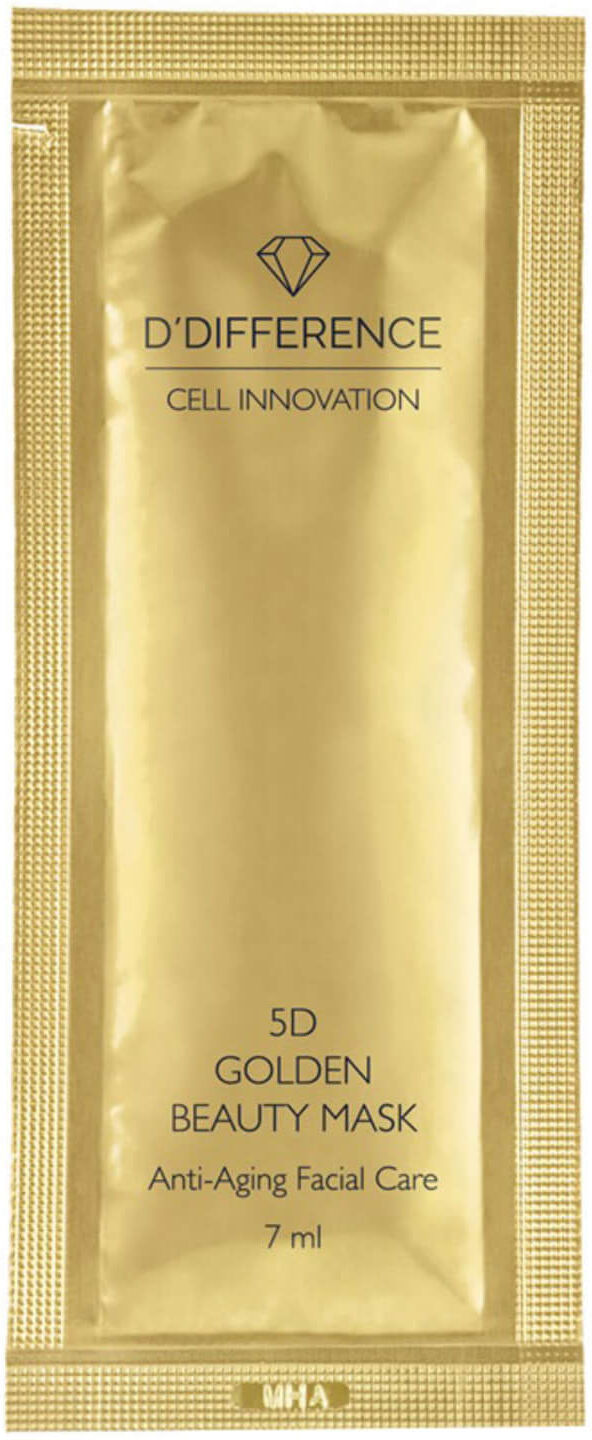
Products related to Moons:
-
D´DIFFERENCE Cell Innovation 5D Lifting Eye Cream 15mlD'DIFFERENCE Cell Innovation 5D Lifting Eye Cream on kasvien kantasoluuutetta sisältävä 5D-vaikutteinen silmänympärysvoide, joka stimuloi solujen uudistumista ja kollageenisynteesiä. Vähentää hienoja juonteita ja ryppyjä silmänympärysiholla ja lievittää väsymyksen merkkejä - turvotusta ja tummia silmänalusia. Patentoitu HYDRASIA®-emulsio ja silkkiproteiinit tarjoavat pitkäkestoista kosteutusta, lukitsevat kosteuden ja jättävät ihon pehmeäksi ja sileäksi. Luonnonöljyjen cocktail ravitsee ja48,95 €*Shipping: 0,00 €Secure redirect to the provider
-
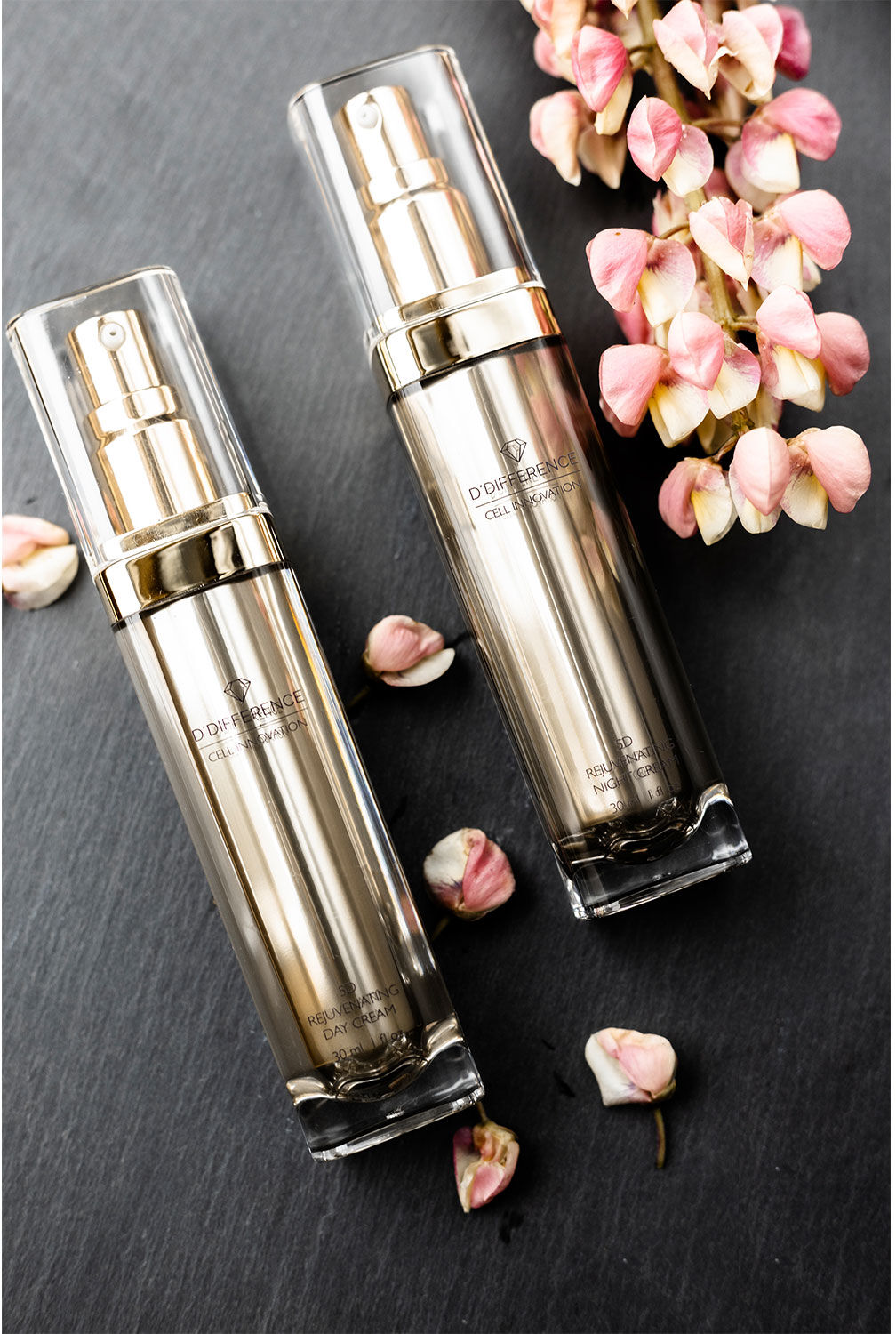
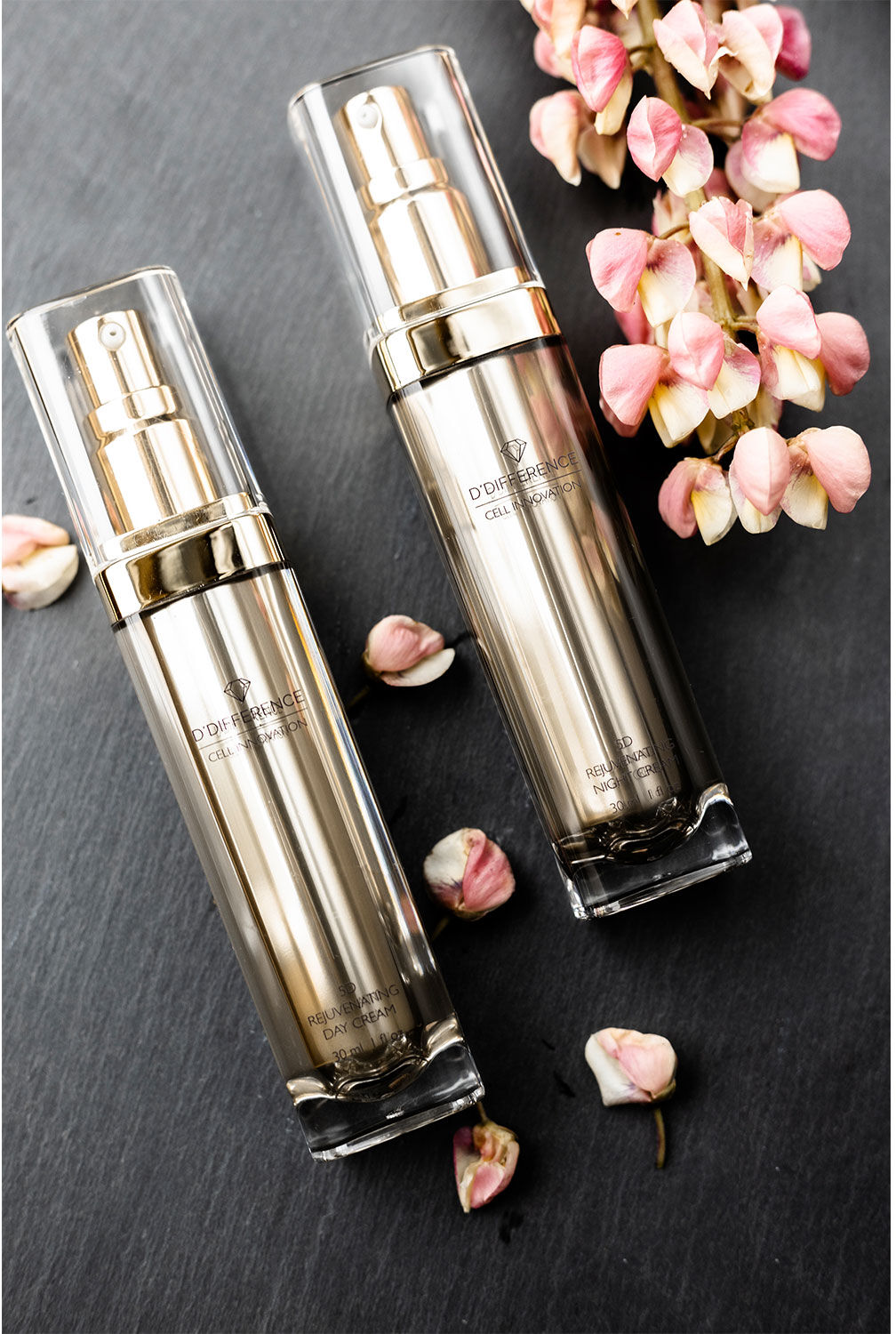
D´DIFFERENCE Cell Innovation 5D Rejuvenating Night Cream 30mlD´DIFFERENCE Cell Innovation 5D Rejuvenating Night Cream -yövoide on kehitetty erityisellä huolellisuudella ja rakkaudella käsittelemään kaikkia ikääntyvän ihon ärsyttäviä ongelmia - kuivuutta, juonteita ja ryppyjä, ihon veltostumista sekä ihon epätasaista sävyä ja ihonväriä. Tämä innovatiivinen, ylellinen ja nopeasti imeytyvä voide sisältää tehokkaita ainesosia, jotka stimuloivat kollageenisynteesiä, nopeuttavat solujen uusiutumista, vähentävät juonteita ja vahvistavat ihon puolustuskykyä. Void72,95 €*Shipping: 0,00 €Secure redirect to the provider
-
D´DIFFERENCE Cell Innovation 5D Rejuvenating Day Cream 30mlKosteuttava, palauttava ja nuorentava D´DIFFERENCE Cell Innovation 5D Rejuvenating Day Cream -päivävoide on kehitetty erityisellä huolenpidolla ja rakkaudella käsittelemään kaikkia ikääntymisen aiheuttamia ongelmia - kuivuutta, juonteita ja ryppyjä, ihon veltostumista sekä ihon epätasaista sävyä ja ihoa. Luonnollinen ja innovatiivinen, kaksi erittäin vakuuttavaa lähestymistapaa on yhdistetty juuri tässä tuotteessa. Ruskeasta riisistä ja soijapavuista saatu kasvien kantasoluuute yhdistettynä erit68,95 €*Shipping: 0,00 €Secure redirect to the provider
-
D´DIFFERENCE Cell Innovation 5D Firming Faceglow Peel 75mlSamettisen koostumuksen omaavan D´DIFFERENCE Cell Innovation Faceglow Facial Exfoliator -kasvokuorintahoitoaineen maito- ja kukkahapot puhdistavat pinnan öljystä ja kuolleista soluista, kun taas Furcellaria Lumbricalis (Itämeren punavesiuute) kiinteyttää ja auttaa vähentämään jäämiä. Kasvien varsiuute, aktiiviset kosteusvoiteet ja luonnolliset öljyt vahvistavat ihon luonnollista puolustuskykyä, kosteuttavat ja ravitsevat. Kuorinta-aine ei aiheuta ärsytystä tai punoitusta, vaikka se sisältää runs40,95 €*Shipping: 0,00 €Secure redirect to the provider


-
Does the moon have moons?
No, the moon does not have any moons of its own. Moons are natural satellites that orbit around a planet, and the moon itself is a natural satellite of Earth. While there are many moons in our solar system orbiting planets such as Jupiter and Saturn, the moon does not have any moons orbiting around it. **
-
How many moons surround Saturn?
Saturn has a total of 82 moons, making it the planet with the most moons in our solar system. These moons vary in size, with the largest ones being Titan and Rhea. Many of Saturn's moons are small and irregularly shaped, and some are believed to be captured asteroids or comets. The presence of so many moons makes Saturn a fascinating and dynamic planet to study. **
-
What are the moons of Mars?
Mars has two moons named Phobos and Deimos. Phobos is the larger of the two moons and is closer to Mars, while Deimos is smaller and farther away. Both moons are irregularly shaped and are thought to be captured asteroids. They were discovered in 1877 by American astronomer Asaph Hall. **
-
How many moons does Uranus have?
Uranus has 27 known moons. These moons are divided into three groups based on their characteristics: inner moons, major moons, and irregular moons. The largest moons of Uranus are named Titania and Oberon. **
What types of moons are there?
There are several types of moons in our solar system. Natural moons can be categorized as regular moons, irregular moons, and captured moons. Regular moons have nearly circular orbits around their parent planet, while irregular moons have more eccentric orbits. Captured moons are believed to have been captured by a planet's gravitational pull. Additionally, there are also dwarf moons, which are smaller moons that orbit larger moons or planets. **
How many moons does Saturn have?
Saturn has a total of 82 moons. The largest and most well-known moons of Saturn are Titan, Rhea, Iapetus, Dione, and Tethys. These moons vary in size, composition, and distance from Saturn, and they play a significant role in the dynamics of Saturn's rings and its overall gravitational influence on the planet. **
Top-Angebote
Products related to Moons:
-
D´DIFFERENCE Cell Innovation 5D Lifting Eye Cream 15mlD'DIFFERENCE Cell Innovation 5D Lifting Eye Cream on kasvien kantasoluuutetta sisältävä 5D-vaikutteinen silmänympärysvoide, joka stimuloi solujen uudistumista ja kollageenisynteesiä. Vähentää hienoja juonteita ja ryppyjä silmänympärysiholla ja lievittää väsymyksen merkkejä - turvotusta ja tummia silmänalusia. Patentoitu HYDRASIA®-emulsio ja silkkiproteiinit tarjoavat pitkäkestoista kosteutusta, lukitsevat kosteuden ja jättävät ihon pehmeäksi ja sileäksi. Luonnonöljyjen cocktail ravitsee ja48,95 €*Shipping: 0,00 €Secure redirect to the provider
-
D´DIFFERENCE Cell Innovation 5D Rejuvenating Night Cream 30mlD´DIFFERENCE Cell Innovation 5D Rejuvenating Night Cream -yövoide on kehitetty erityisellä huolellisuudella ja rakkaudella käsittelemään kaikkia ikääntyvän ihon ärsyttäviä ongelmia - kuivuutta, juonteita ja ryppyjä, ihon veltostumista sekä ihon epätasaista sävyä ja ihonväriä. Tämä innovatiivinen, ylellinen ja nopeasti imeytyvä voide sisältää tehokkaita ainesosia, jotka stimuloivat kollageenisynteesiä, nopeuttavat solujen uusiutumista, vähentävät juonteita ja vahvistavat ihon puolustuskykyä. Void72,95 €*Shipping: 0,00 €Secure redirect to the provider
-
Why don't moons have moons?
Moons do not have moons because the gravitational pull of their parent planet is much stronger than the gravitational pull of the moon itself. Any smaller object that comes close enough to a moon would be more strongly attracted to the planet, causing it to either collide with the moon or be pulled into orbit around the planet instead. Additionally, the presence of a moon's own gravity would not be strong enough to prevent a potential moon from being captured by the planet. **
-
How long is the period between two consecutive new moons or full moons?
The period between two consecutive new moons or full moons, known as the synodic month, is approximately 29.5 days. This is the time it takes for the moon to complete its cycle of phases, from new moon to full moon and back to new moon. However, the actual length of the synodic month can vary slightly due to the moon's elliptical orbit and gravitational interactions with the Earth and the sun. **
-
Does the moon have moons?
No, the moon does not have any moons of its own. Moons are natural satellites that orbit around a planet, and the moon itself is a natural satellite of Earth. While there are many moons in our solar system orbiting planets such as Jupiter and Saturn, the moon does not have any moons orbiting around it. **
-
How many moons surround Saturn?
Saturn has a total of 82 moons, making it the planet with the most moons in our solar system. These moons vary in size, with the largest ones being Titan and Rhea. Many of Saturn's moons are small and irregularly shaped, and some are believed to be captured asteroids or comets. The presence of so many moons makes Saturn a fascinating and dynamic planet to study. **
Similar search terms for Moons
-
D´DIFFERENCE Cell Innovation 5D Rejuvenating Day Cream 30mlKosteuttava, palauttava ja nuorentava D´DIFFERENCE Cell Innovation 5D Rejuvenating Day Cream -päivävoide on kehitetty erityisellä huolenpidolla ja rakkaudella käsittelemään kaikkia ikääntymisen aiheuttamia ongelmia - kuivuutta, juonteita ja ryppyjä, ihon veltostumista sekä ihon epätasaista sävyä ja ihoa. Luonnollinen ja innovatiivinen, kaksi erittäin vakuuttavaa lähestymistapaa on yhdistetty juuri tässä tuotteessa. Ruskeasta riisistä ja soijapavuista saatu kasvien kantasoluuute yhdistettynä erit68,95 €*Shipping: 0,00 €Secure redirect to the provider
-
D´DIFFERENCE Cell Innovation 5D Firming Faceglow Peel 75mlSamettisen koostumuksen omaavan D´DIFFERENCE Cell Innovation Faceglow Facial Exfoliator -kasvokuorintahoitoaineen maito- ja kukkahapot puhdistavat pinnan öljystä ja kuolleista soluista, kun taas Furcellaria Lumbricalis (Itämeren punavesiuute) kiinteyttää ja auttaa vähentämään jäämiä. Kasvien varsiuute, aktiiviset kosteusvoiteet ja luonnolliset öljyt vahvistavat ihon luonnollista puolustuskykyä, kosteuttavat ja ravitsevat. Kuorinta-aine ei aiheuta ärsytystä tai punoitusta, vaikka se sisältää runs40,95 €*Shipping: 0,00 €Secure redirect to the provider
-
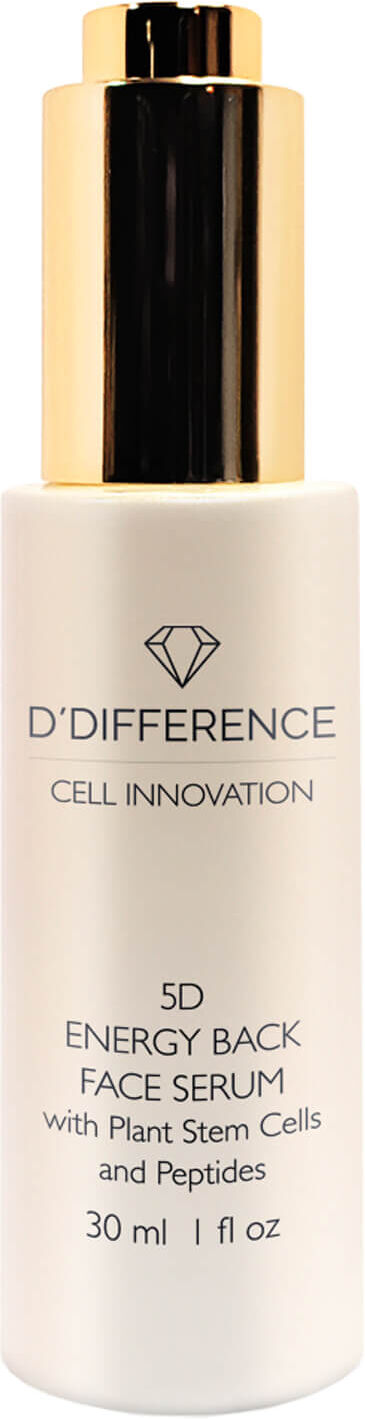
D´DIFFERENCE Cell Innovation 5D Energy Back Face Serum 30mlD´DIFFERENCE Cell Innovation 5D Energy Back -kasvoseerumi auttaa palauttamaan ihon kosteuspitoisuuden, tarjoaa monitasoista ja pitkäkestoista kosteutusta, tasoittaa ihon ilmettä, vähentää olemassa olevien ryppyjen syvyyttä ja auttaa ehkäisemään ikääntymisen ilmenemistä. Koostumus, jossa on 4 eri molekyylipainoista hyaluronihappoa, 5 % niasiiniamidia, kasvien kantasolu-uutetta ja kuparipeptidiä, lisää kosteustasoa, rauhoittaa ihoa ja vähentää punoitusta sekä palauttaa nuorekkaan sileyden ja pehme74,95 €*Shipping: 0,00 €Secure redirect to the provider
-
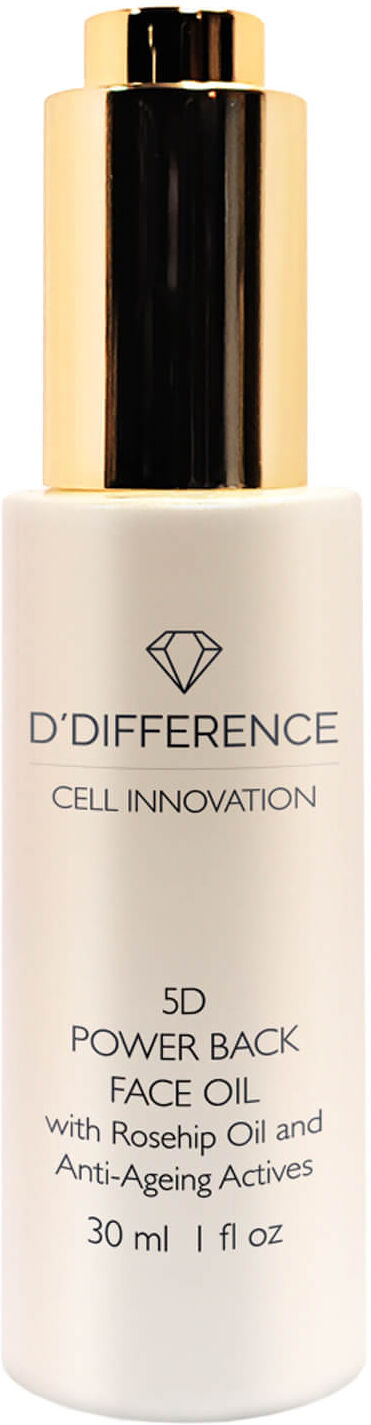
D´DIFFERENCE Cell Innovation 5D Power Back Face Oil 30mlKevyt ja rasvaton D´DIFFERENCE Cell Innovation 5D Power Back Face Oil -kasvovoiteella on useita superhyötyjä kuivalle, kuivuneelle ja kypsälle iholle. Kylmäpuristettu ruusunmarjaöljy auttaa vähentämään ikääntymisen merkkejä, hyperpigmentaatiota, auringon aiheuttamia vaurioita ja arpia. Lupiiniöljystä ja vehnänalkioöljyfraktiosta peräisin olevat aktiiviset ainesosat sisältävät antioksidantteja, jotka auttavat vähentämään DNA:n hajoamista ja UV-säteiden ja näytön sinisen valon aiheuttamaa oksidati74,95 €*Shipping: 0,00 €Secure redirect to the provider
-
What are the moons of Mars?
Mars has two moons named Phobos and Deimos. Phobos is the larger of the two moons and is closer to Mars, while Deimos is smaller and farther away. Both moons are irregularly shaped and are thought to be captured asteroids. They were discovered in 1877 by American astronomer Asaph Hall. **
-
How many moons does Uranus have?
Uranus has 27 known moons. These moons are divided into three groups based on their characteristics: inner moons, major moons, and irregular moons. The largest moons of Uranus are named Titania and Oberon. **
-
What types of moons are there?
There are several types of moons in our solar system. Natural moons can be categorized as regular moons, irregular moons, and captured moons. Regular moons have nearly circular orbits around their parent planet, while irregular moons have more eccentric orbits. Captured moons are believed to have been captured by a planet's gravitational pull. Additionally, there are also dwarf moons, which are smaller moons that orbit larger moons or planets. **
-
How many moons does Saturn have?
Saturn has a total of 82 moons. The largest and most well-known moons of Saturn are Titan, Rhea, Iapetus, Dione, and Tethys. These moons vary in size, composition, and distance from Saturn, and they play a significant role in the dynamics of Saturn's rings and its overall gravitational influence on the planet. **
* All prices are inclusive of VAT and, if applicable, plus shipping costs. The offer information is based on the details provided by the respective shop and is updated through automated processes. Real-time updates do not occur, so deviations can occur in individual cases. ** Note: Parts of this content were created by AI.